
For the Girl Who Knows She’s Worth More Than “Just Deal With Period Cramps”

Updated: Aug 13
For generations, women have been told that painful periods are simply part of being female.
They're told to take ibuprofen, start hormonal birth control, use a heating pad, and push through.
Read our research paper on that:
But what if period cramps aren't something your body is supposed to endure?
While mild uterine cramping can occur as the uterus contracts during menstruation, severe or recurring period pain is often a sign that something deeper deserves attention. Your body is communicating with you, not betraying you.
At Right to Know, we believe every woman has the right to know her body before simply treating her symptoms. Healing doesn't begin with masking pain (which isn't wrong); it begins with asking better questions.
Whether your cramps are caused by inflammation, hormone imbalances, thyroid dysfunction, endometriosis, adenomyosis, fibroids, PMOS (formerly PCOS), or something else entirely, these foundational habits can help support your body while you work alongside a qualified healthcare professional to uncover the root cause.

Step 1: Eat Enough
One of the most overlooked causes of hormonal dysfunction is simply not eating enough.
Many women unintentionally under-fuel their bodies. Diet culture has convinced us that eating less is healthier, but your reproductive system is one of the first things your body begins to downregulate when it senses that resources are scarce.
When your body believes it is in survival mode, it prioritizes keeping you alive and not producing healthy hormones. Low energy availability can increase stress hormones like cortisol, suppress thyroid function, interfere with ovulation, reduce progesterone production, and contribute to inflammation, all of which may worsen menstrual symptoms.
Before asking your body to heal, ask yourself:
Am I eating enough to nourish myself?
Am I constantly hungry?
Do I skip meals?
Am I afraid of eating more?
Sometimes maintaining your weight while restoring metabolic health is far more beneficial than continuing to pursue weight loss. A body that feels safe is much more capable of healing (and losing weight!) than a body that constantly believes it is starving.
One simple way to begin observing your metabolism is by taking your temperature before eating and about 30 minutes afterward. While this isn't a diagnostic tool, consistently low temperatures or a lack of warming after meals can sometimes indicate that your body isn't producing energy efficiently.
Your body needs safety before it can thrive.
Step 2: Don't Fear Carbohydrates
Carbohydrates have become one of the most misunderstood nutrients in women's health.
While reducing processed sugar can absolutely be beneficial, eliminating carbohydrates altogether often creates new problems. Carbohydrates are your body's preferred source of energy. They support thyroid function, replenish liver glycogen, help regulate cortisol, and provide the energy needed for healthy ovulation and progesterone production.
Some women temporarily feel better on extremely low-carbohydrate diets because blood sugar swings become less noticeable. However, over time, chronic carbohydrate restriction can increase stress hormones and make it even harder for the body to produce healthy reproductive hormones.
Instead of fearing carbohydrates, choose nourishing ones.
Examples include:
Sweet potatoes
Fruit
Beans and lentils
Winter squash
Oats
Freshly milled whole grains
Quality sourdough bread
Brown rice
Rather than asking, "How can I eat fewer carbohydrates?" ask, "How can I choose carbohydrates that nourish my body well?"
Step 3: Balance Your Blood Sugar
Blood sugar is one of the first places we encourage women to start. Large swings in blood sugar create stress inside the body, increasing inflammation and placing additional demands on your adrenal glands. Over time, this can influence thyroid health, ovarian function, and hormone production.
Signs your blood sugar may need support include:
Afternoon energy crashes
Feeling shaky between meals
Intense sugar cravings
Irritability when hungry
Waking up exhausted despite sleeping
A helpful goal is to build meals around:
Quality protein
Healthy fats
Fiber-rich carbohydrates
Rather than eating carbohydrates alone, pairing them with protein and healthy fats helps provide steady energy throughout the day.
Consistency matters more than perfection.

Step 4: Prioritize Restorative Sleep
Sleep is one of the most powerful hormone regulators available to us.
While we sleep, our bodies repair tissues, regulate inflammation, replenish energy stores, and produce many of the hormones necessary for a healthy menstrual cycle.
Poor sleep can contribute to:
Increased inflammation
Higher cortisol levels
Insulin resistance
Thyroid dysfunction
Hormonal imbalance
Some simple ways to improve sleep include:
Going to bed around the same time each night.
Getting outside for morning sunlight shortly after waking.
Limiting bright light and screens before bed.
Creating a calm nighttime routine.
Healing happens while you sleep. Make it a priority.
Step 5: Support Healthy Digestion
Hormones are only helpful if your body can properly process and eliminate them.
Your digestive system plays an important role in hormone balance because excess estrogen is eliminated through the liver and bowels. When digestion slows down, hormones can sometimes be reabsorbed rather than removed.
Healthy digestion is supported by:
Drinking enough water
Eating fiber-rich foods
Moving your body daily
Consuming nourishing whole foods
Supporting a healthy gut microbiome
If you're consistently constipated, bloated, or experiencing digestive discomfort, that's valuable information, not something to ignore.
Your digestive system is part of your hormone story.
Step 6: Learn Whether You're Ovulating
One of the biggest misconceptions in women's health is believing that having a period automatically means everything is functioning normally.
Ovulation—not menstruation—is the main event of the menstrual cycle.
Healthy ovulation leads to progesterone production, and progesterone plays an important role in balancing estrogen, reducing inflammation, and preparing the body for pregnancy.
Without ovulation, hormone balance becomes much more difficult.
This is why body literacy is so important.
Learning to recognize your body's signs can help you understand whether you're ovulating and whether your cycle appears healthy.
Step 7: Practice Body Literacy
Your menstrual cycle is often called your fifth vital sign because it provides valuable insight into your overall health.
Instead of viewing your period as something that happens once a month, begin observing your cycle every day.
Pay attention to:
Cervical mucus
Basal body temperature (BBT)
Bleeding patterns
Energy levels
Mood changes
Sleep quality
Bowel movements
Cycle length
Your symptoms are not random.
The more you learn to recognize your body's patterns (find out how to track them below), the more prepared you are to have informed conversations with your healthcare professional.
Step 8: Remember That Cramps Are a Symptom: Not a Diagnosis
Painful periods are not a diagnosis. They are a symptom that deserves investigation.
Severe menstrual pain may be associated with conditions such as:
Endometriosis
Adenomyosis
Fibroids
PMOS (formerly PCOS)
Thyroid dysfunction
Chronic inflammation
Nutrient deficiencies
Blood sugar dysregulation
Pelvic floor dysfunction
Ovulatory dysfunction
Every woman's story is different.
The purpose of this article isn't to diagnose the cause of your cramps. Instead, it's to help you establish the foundations that support your body's ability to heal while encouraging you to seek qualified medical care when pain persists.
Your body is not your enemy.
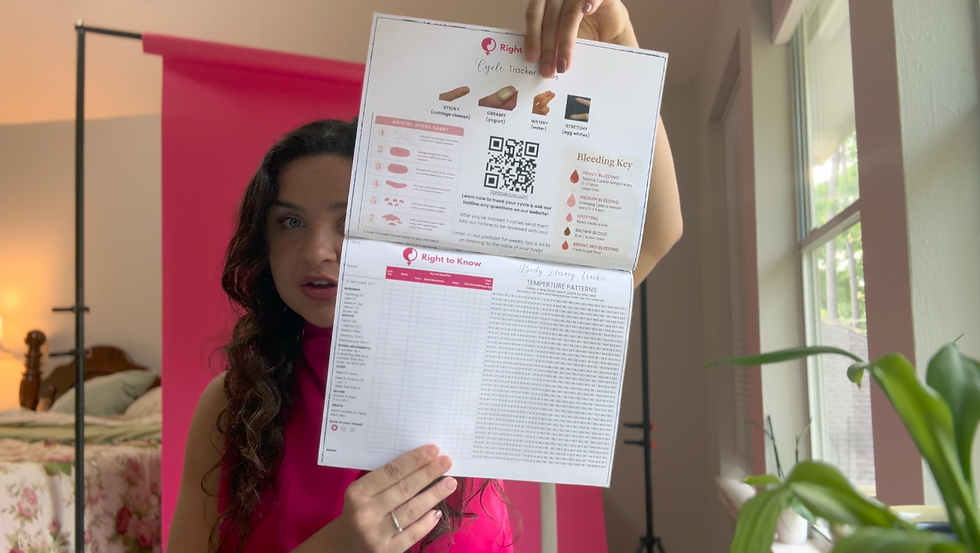
Learn Your Cycle
Healing begins with awareness and most women have no idea:
When symptoms started
Whether they are ovulating
How sleep affects their cycle
Whether blood sugar crashes precede cravings
How stress influences symptoms
Tracking transforms confusion into clarity. Instead of guessing, you begin identifying patterns. This video helps you learn how to start body literacy tracking: https://www.youtube.com/watch?si=SHiiWNuPxDnV5RT4&v=VX-zs_WDC1E&feature=youtu.be
Our Body Literacy Tracker helps you monitor:
Cycle length
Ovulation signs
Sleep quality
Energy levels
Blood sugar patterns
Digestion
Cravings
Acne
Bowel Movements
Mood
Exercise habits
When to Seek Additional Support
While lifestyle foundations matter, severe period pain should never be ignored.
If your pain causes you to miss work, miss school, vomit, faint, or significantly disrupt daily life, consider working with a qualified healthcare professional to investigate potential underlying causes such as endometriosis, adenomyosis, fibroids, or other conditions.
Your pain deserves attention. Reach out to our hotline so we can help you find a Right to Know approved medical professional near you.
Healing period cramps naturally does not start with a cabinet full of supplements.
It starts with asking:
Am I eating enough?
Am I getting enough carbohydrates?
Is my blood sugar stable?
Am I sleeping enough?
Am I pooping regularly?
Am I paying attention to my cycle?
These simple questions create the foundation for deeper healing.
Your cycle is not something to fear.
It is one of the clearest windows into your overall health.
And healing often begins by learning how to listen.
~The R2K
Medical Disclaimer
The information provided in this article is for educational purposes only and is not intended to diagnose, treat, cure, or prevent any disease. PMOS (formerly PCOS) is a complex medical condition that may require individualized evaluation and treatment.
This article should not be considered medical advice and should not replace consultation with a qualified healthcare professional. Always discuss changes to your diet, supplements, medications, exercise routine, or treatment plan with your physician or other licensed healthcare provider.
If you experience severe symptoms, significant menstrual irregularities, infertility concerns, unexplained weight changes, severe acne, excessive hair growth, or other concerning symptoms, seek appropriate medical care.


Comments